
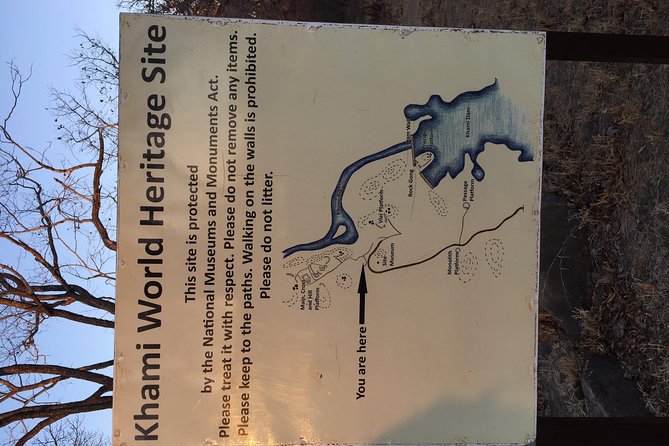
Reviewed · GREAT ZIMBABWE & HERITAGE SITES
Khami Ruins Day Trip
Zimbabwe’s past is written in stone. The Khami Ruins sit about 30 minutes from central Bulawayo and offer a close look at the 16th-century capital of the Torwa Dynasty. I like the convenient hotel pickup and the chance to explore a major archaeological site in a private vehicle. I also like that the tour includes bottled water, snacks, and a guide who can explain what you are seeing instead of leaving you to guess at the walls.
The main point to consider is that the $80 price does not include admission fees, taxes, or other site charges. You should also allow about three hours, even though the advertised duration can run from two to four hours. For anyone with an interest in Zimbabwean history, though, this is a strong half-day outing from Bulawayo.
In This Review
- Key points before you book
- Why Khami matters in Zimbabwe’s story
- The drive from Bulawayo to the ruins
- Reading the Hill Complex and Mambo’s residence
- Dry-stone walls, daga huts, and daily life
- The Vlei, Monolith, and Passage platforms
- Chevron and chequered wall decoration
- What the three-hour visit feels like
- Is $80 per person good value?
- Who will enjoy Khami most?
- Practical booking advice
- Should you book the Khami Ruins day trip?
- FAQ
- Where is the Khami Ruins tour located?
- How long does the Khami Ruins experience last?
- Is hotel pickup available?
- Is this a private tour?
- What transportation is included?
- Are snacks and water provided?
- Is admission to Khami Ruins included?
- What is the cancellation policy?
- What happens if the tour is canceled?
Key points before you book
- Khami is Zimbabwe’s second-largest stone-built monument, after Great Zimbabwe.
- The site served as the Torwa Dynasty capital in the 16th century, giving the ruins an important place in Zimbabwe’s past.
- Private transportation and pickup are included, so you do not need to arrange your own way from Bulawayo.
- The tour usually takes about three hours, with enough time to see the main platforms, walls, passages, and hill complex.
- Guiding is a major strength, with Lesley providing hotel pickup and an on-site guide explaining the structures.
- Admission is extra, so check the total cost before confirming your plans.
Why Khami matters in Zimbabwe’s story
Khami is not simply a collection of old stone walls. Its importance comes from its place between Great Zimbabwe and the later periods of Zimbabwean history. The site helps show how stone-building traditions continued and changed after the era associated with Great Zimbabwe.
The ruins were the capital of the Torwa Dynasty during the 16th century. That gives the site a clear political purpose. You are not looking at random foundations scattered across the bush. You are seeing the remains of a royal center, with separate spaces for the ruler, residents, movement, and daily life.
Khami is also valued because it was not heavily damaged by treasure hunters. Its layers remained relatively undisturbed, which gives archaeologists a clearer picture of how the settlement developed. For you, that means the site has more than attractive stonework. The arrangement of the structures can help explain how people used the area.
The monument is a UNESCO World Heritage Site, and its importance is scientific as well as historical. I find that useful to remember before arriving. The appeal is not only the largest wall or the best photograph. It is the chance to read a settlement through its layout, building methods, and surviving decorative details.
More Heritage Site Trips in Zimbabwe:
- The Best of Matobo
★ 5.0 · 39 reviews - Matobo Rhino Encounter
★ 5.0 · 33 reviews - Matobo Hills Day Trip with Rhino Tracking
★ 5.0 · 22 reviews
The drive from Bulawayo to the ruins

The trip begins with pickup, and hotel pickup was provided for Robert by Lesley. That small service can make a big difference in Bulawayo, especially if you are arranging several activities and do not want to work out transport to an archaeological site yourself.
The drive to Khami takes roughly 30 minutes from central Bulawayo. That makes the excursion practical even if you have limited time in the city. You are not giving up a full day to reach the site, yet you get far more than a quick roadside stop.
Transport is provided in an air-conditioned vehicle, and the booking is for private transportation. Only your group participates. I see that as a real advantage if you want to ask questions, stop to examine a wall, or spend longer with a particular part of the complex without matching the pace of a large group.
Snacks and bottled water are included. These are modest additions, but they are useful during a warm outdoor visit. You should still dress for time outside and plan on walking around uneven archaeological remains, although the supplied information does not specify the exact walking conditions.
Reading the Hill Complex and Mambo’s residence
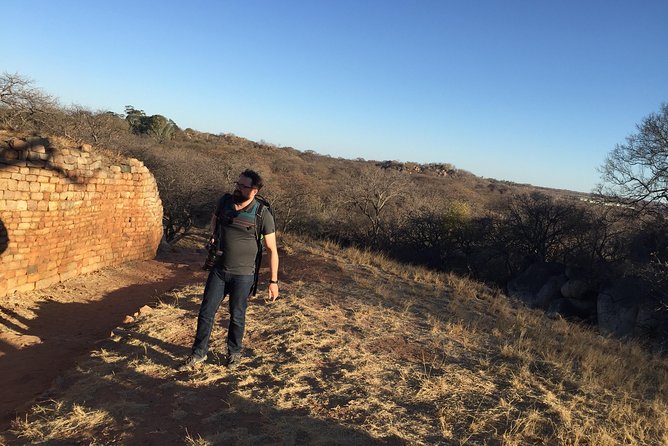
The main stop is Khami Ruins itself, with about three hours set aside for the visit. The site is made up of platforms and dry-stone walls rather than one single building. You will need to look at the whole arrangement to understand it.
The Hill Ruin, also called the Hill Complex, contains the chief’s residence, known as the Mambo. This is one of the most important places to focus your attention. Its position helps show the separation between the ruler’s area and the spaces used by the wider population.
A guide is especially useful here. Without context, a stone platform can look like a low wall and little more. With an explanation of its role, the same structure becomes part of a larger plan involving status, access, and settlement design.
The guide Lesley received particular praise for providing hotel pickup and explaining the history thoroughly. A local guide at the ruins also explained the details of the complex. Having both transport support and information at the site gives the excursion a more complete feel than simply hiring a car and wandering through the remains.
Dry-stone walls, daga huts, and daily life
The royal areas are only part of the story. The population lived in daga huts, built from cobwork, and these homes were surrounded by granite walls. The huts themselves may not survive in the same way as the stone structures, but the description of the settlement helps you picture how the site functioned.
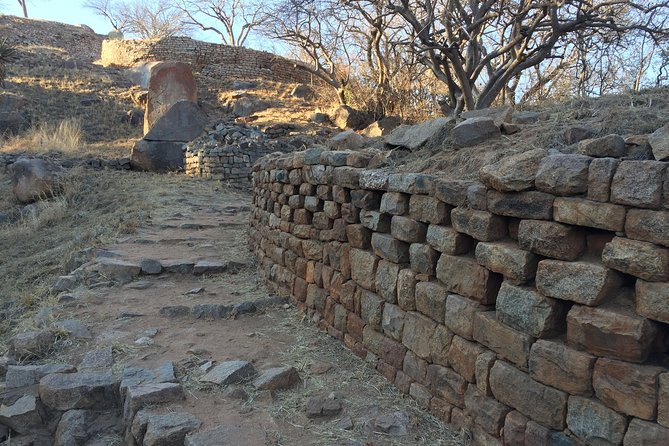
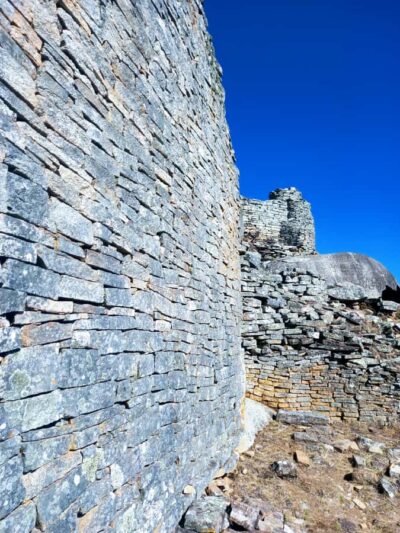
Khami’s walls are dry-stone constructions, meaning they were built without the usual mortar holding the stones together. Their survival is a reminder of the builders’ skill. The work is not limited to basic defensive barriers. The site contains carefully arranged platforms, narrow passageways, and decorated walls.
I would pay attention to the relationship between the walls and the walkways. The narrow passages and perambulatory galleries shaped how people moved through the settlement. They also helped separate areas and create a sense of controlled access.
This is where a guided visit earns its keep. A guide can point out how the walls connect, which structures belong to the main complex, and how the decoration fits into the design. You may find that the patterns are easy to miss if you are trying to take in the entire site at once.
More Day Trips in Zimbabwe:
- Victoria Falls: Chobe National Park Day Trip with Lunch
★ 4.7 · 518 reviews - Chobe Day Trip from Victoria Falls, Zimbabwe
★ 4.6 · 250 reviews - Chobe Day Trip From Victoria Falls Zimbabwe
★ 4.5 · 196 reviews - Chobe Full Day Trip From Victoria Falls
★ 4.5 · 135 reviews
The Vlei, Monolith, and Passage platforms
Khami includes several named areas, including the Vlei, Monolith, and Passage platforms. These names give your visit some structure, particularly if you want to make sure you have seen more than the most obvious wall.
The platforms are part of a broad complex of dry-stone structures. Each one contributes to the picture of a planned settlement, rather than an isolated ceremonial monument. The Passage platform is especially suggestive because the site’s narrow corridors and galleries are among its most distinctive features.
The Monolith platform adds another point of interest, while the Vlei platform helps show how varied the complex is. The supplied details do not give a separate purpose for each platform, so you should rely on the guide for the clearest explanation on the day.
If you are visiting for photography or video, allow time to cover the full area. One person used the three-hour tour to see all the buildings and structures for a YouTube channel. That is a useful practical clue: the outing can support a detailed visit, not just a quick look at one famous section.
Chevron and chequered wall decoration
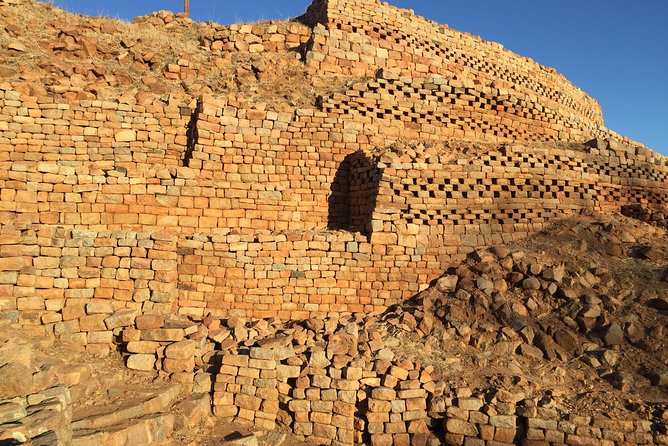
Khami’s decorative stonework is one of the reasons the site feels different from a simple ruin field. Chevron and chequered patterns appear in the walls, giving the construction a visual character that is easy to remember.
These designs also show that function and appearance were linked. The builders were not only stacking stones for shelter or enclosure. They were creating carefully finished surfaces with repeated patterns.
I would not rush past the decorated walls. They are among the clearest signs of the workmanship involved, and they give you something specific to look for as you move between the platforms. A guide can also help you notice details that blend into the stone at first glance.
The site’s narrow passageways and galleries add to the experience. They make the ruins feel like a place designed for movement, not merely a set of walls left behind. You may find that walking through these spaces gives you a better sense of scale than viewing the ruins from one open point.
What the three-hour visit feels like
The advertised duration is about two to four hours, with the main itinerary listing three hours at Khami. That range is sensible because the visit can be adjusted to your group’s pace and level of interest.
If you want a straightforward introduction, two hours may be enough for a guided look at the principal structures. If you want to examine the platforms, photograph the walls, and hear more about the settlement, plan closer to three hours. The YouTube-focused visit covered the buildings and structures in roughly three hours.
The experience is archaeological rather than entertainment-focused. There is no long list of stops or packed schedule. You spend your time at one important place, studying walls, platforms, passages, and the remains of a former capital.
That simplicity is a strength for history-minded visitors. It is also the main limitation for anyone expecting constant activity. Khami asks you to look carefully and listen. The reward comes from understanding the layout and the craft, not from rushing from one attraction to another.
Is $80 per person good value?
The cost is $80 per person, before admission fees, taxes, and other charges. I would judge that price mainly by the private transport and guiding rather than by the entrance to the ruins alone.
For a private group, the air-conditioned vehicle, pickup, snacks, bottled water, and guide support make the price easier to understand. You are also paying for a practical half-day plan from Bulawayo, with transport handled for you and only your group taking part.
The value is strongest if you want historical explanation. A self-guided visit may cost less in some circumstances, but it would not provide the same help in understanding the Mambo, the platforms, the settlement walls, or the decorative patterns.
The price may feel less attractive if you only want a brief photo stop. Khami is close to Bulawayo, and the admission cost is not included, so ask for the complete expected amount before booking. Group discounts are available, which can improve the value for families or friends traveling together.
The experience is commonly booked about 17 days in advance. That is a useful planning guide, especially if your time in Zimbabwe is fixed. You do not necessarily need to book far ahead, but advance planning gives you a better chance of securing the date and pickup arrangement you want.
Who will enjoy Khami most?
I would recommend this trip to anyone interested in archaeology, Zimbabwean history, traditional building methods, or UNESCO World Heritage Sites. It suits visitors based in Bulawayo who want a meaningful outing without committing to a full day on the road.
It is also a good choice for photographers and video makers. The named platforms, decorated walls, passageways, and larger stone structures provide plenty to examine. One detailed visit covered the buildings for a YouTube project, so you can use the time well if you need more than a quick overview.
Families and small private groups may appreciate the flexible pace. You can ask questions directly and avoid the fixed rhythm of a large coach group. The group discount may also help keep the total cost in check.
I would be more cautious about recommending it to someone who has little interest in historic sites. Khami does not offer a long list of unrelated activities. The pleasure comes from stonework, layout, and explanation. If that sounds dry to you, the visit may feel longer than expected.
The supplied information says most people can participate, but it does not provide detailed accessibility information. If you have specific mobility needs, ask the provider about the walking surface and access before you confirm.
Practical booking advice
Bonisa Excursions provides confirmation at the time of booking. Pickup is offered, and the tour is private, so give accurate accommodation details and make sure your group understands the agreed start time.
The tour requires good weather. If poor weather causes cancellation, you can choose another date or receive a full refund. It also requires a minimum number of participants, and if that condition is not met, you will be offered another date or experience, or a full refund.
You can cancel for a full refund up to 24 hours before the start time. Cancellations or changes made less than 24 hours before the experience are not accepted for a refund. The cut-off uses local time, so check the clock carefully if you are arranging plans from another country.
Bring your interest in the site, not just your camera. The guide’s explanation is central to the visit, and the ruins make more sense when you connect the visible walls with the people, authority, and daily life that once occupied them.
Should you book the Khami Ruins day trip?
I would book this excursion if I were staying in Bulawayo and wanted one focused historical outing. The short drive, private vehicle, hotel pickup, snacks, and strong guiding make the logistics easy. The site itself offers rare insight into the Torwa Dynasty and into Zimbabwe’s stone-building tradition after Great Zimbabwe.
The main cautions are clear: admission and taxes cost extra, the tour depends on weather and minimum numbers, and the experience is best for people who enjoy archaeology. If you want an informative visit rather than a hurried photo stop, the three-hour format is a good fit.
Ask for the full cost, confirm the pickup, and reserve ahead if your schedule is tight. For history fans, Khami is a worthwhile stop and one of the most useful ways to spend half a day near Bulawayo.
FAQ
Where is the Khami Ruins tour located?
The tour takes place at Khami Ruins in Zimbabwe, about 30 minutes from central Bulawayo.
How long does the Khami Ruins experience last?
The experience lasts approximately two to four hours. The main visit to Khami Ruins is planned for about three hours.
Is hotel pickup available?
Yes. Pickup is offered, and hotel pickup was provided during the tour for at least one booked visit.
Is this a private tour?
Yes. This is a private activity, and only your group participates.
What transportation is included?
Air-conditioned vehicle transport and private transportation are included.
Are snacks and water provided?
Yes. Snacks and bottled water are included.
Is admission to Khami Ruins included?
No. Admission tickets, fees, and taxes are not included in the listed price.
What is the cancellation policy?
You can cancel at least 24 hours before the start time for a full refund. Cancellations or changes made less than 24 hours before the start time are not accepted for a refund.
What happens if the tour is canceled?
If poor weather causes cancellation, you can choose a different date or receive a full refund. If the minimum number of participants is not reached, you will be offered another date or experience, or a full refund.
Newly listed in Zimbabwe
- Zimbabwe & Zambia side :Private Guided tour of the Falls★ 5.0 · 2 reviews
- Zimbabwe: Victoria Falls Full-Day Package★ 5.0 · 2 reviews
- Zambezi River: Kid-Friendly Whitewater Rafting★ 5.0 · 3 reviews
- Zimbabwe: Sundowner Cruise (Standard) Zambezi River★ 4.8 · 5 reviews
- Zambezi 3hr Game Drive★ 4.6 · 5 reviews
- Zambia : Victoria Falls : Nature Bike Tour★ 5.0 · 2 reviews
- Zambezi River: Dinner Cruise★ 5.0 · 2 reviews
- Zambezi National Park Private Wildlife Safari (4 – 10 hours)★ 4.9 · 9 reviews
Great Zimbabwe & Heritage Sites, compared.


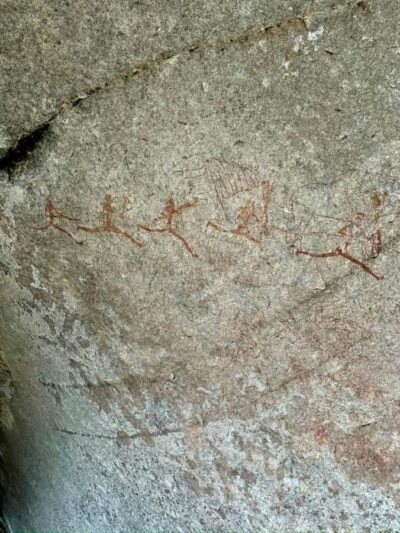
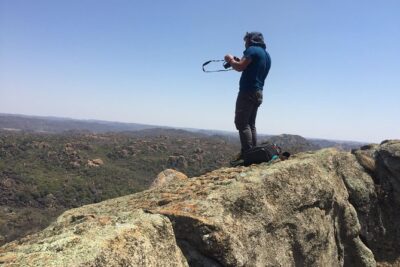
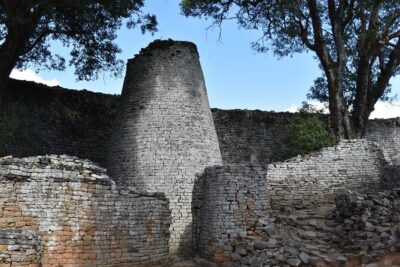
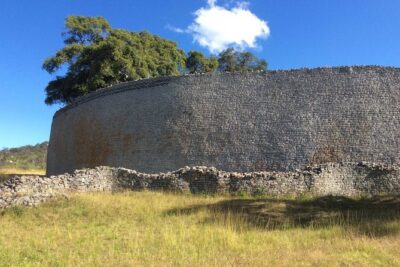
Great Zimbabwe: The World’s View Historical Site !!
Read our review →
MASVINGO; GREAT ZIMBABWE MONUMENT TOUR – FROM HARARE
Read our review →Browse the lists this tour appears in