
Reviewed · VICTORIA FALLS
Bulawayo City Guided Tour
Bulawayo rewards curious eyes. This four-hour city tour links the former Ndebele royal settlement, Cecil Rhodes’ railway coach, grand Victorian buildings, and Makokoba township into one useful introduction to Zimbabwe’s second city. I like the way it brings together formal history and everyday life, rather than keeping you inside museums. I also like that entry fees, snacks, refreshments, and hotel pickup are included.
The main consideration is pace. You will cover several parts of the city in a short time, with a moderate amount of walking and some time for shopping and local food. Comfortable shoes matter, and anyone wanting long, quiet visits at each site may find the schedule brisk.
In This Review
- Key points to know before you book
- Why this four-hour city tour works
- Starting with Bulawayo Dolobho and the Ndebele Kings
- Inside the Railway Museum and Rhodes’ private coach
- Walking Bulawayo’s Victorian main street
- Makokoba, Bulawayo’s oldest township
- Local food, snacks, and the arts and crafts center
- What the timing means for your day
- Is $55 per person good value?
- Who should book the Bulawayo City Guided Tour?
- My verdict: book it for a first look at Bulawayo
- FAQ
- How long is the Bulawayo City Guided Tour?
- How much does the tour cost?
- Where does the tour start and finish?
- What vehicle should I look for at pickup?
- What language is the tour conducted in?
- Is the tour wheelchair accessible?
- What is included in the price?
- Are personal purchases included?
- What should I bring?
- Can I cancel the booking?
Key points to know before you book
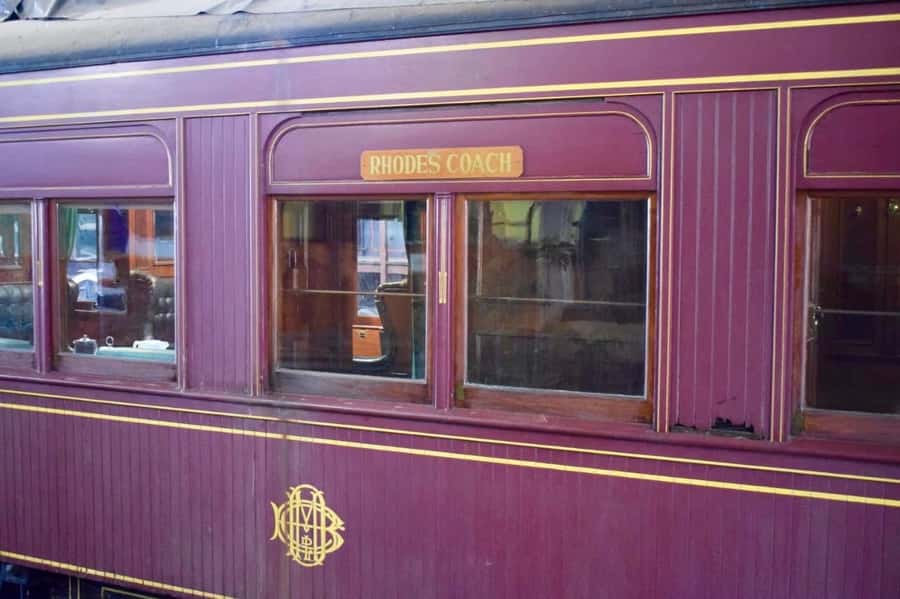
- Cecil Rhodes’ 1897 railway coach: The Railway Museum gives you a close look at the railway system that helped shape Zimbabwe.
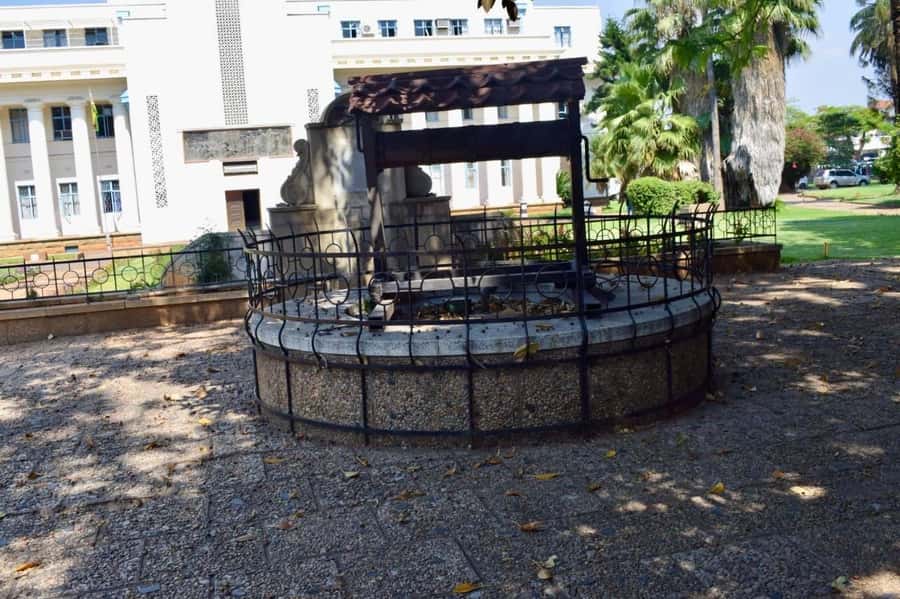
- Bulawayo Dolobho: Learn about Bulawayo as an early settlement of the Ndebele Kings at a site tied directly to the city’s royal past.
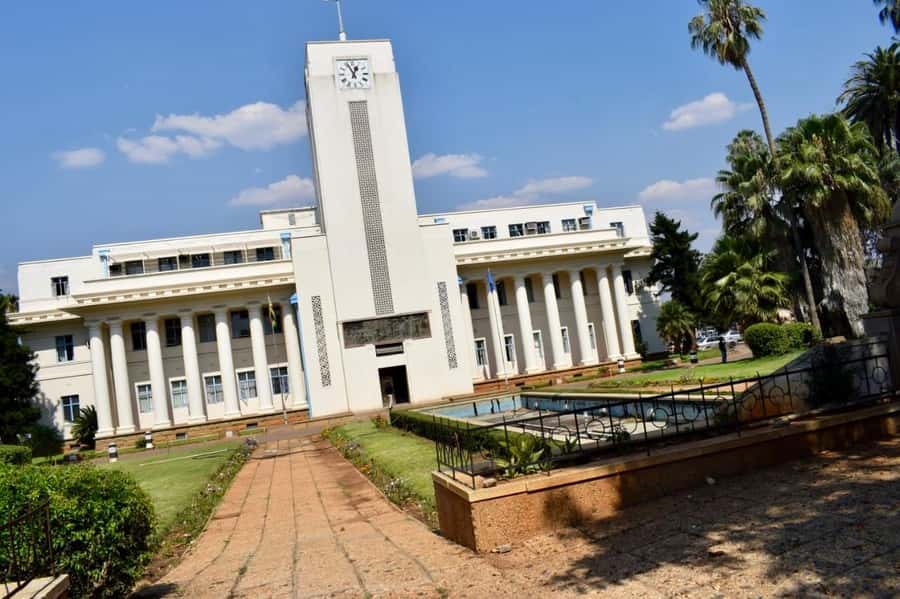
- Victorian main street: See the post office, Art Gallery, Exchange Building, City Hall, and Joshua Nkomo statue on foot and from the tour vehicle.
- Makokoba township: Visit Bulawayo’s oldest township, see its oldest homes, and meet residents with a local guide.
- Local food and crafts: Sample snacks at nearby eateries and pass through an arts and crafts center where artisans work.
- Easy four-hour format: Pickup, transport, guiding, admissions, refreshments, and drop-off are covered for $55 per person.
Why this four-hour city tour works
Bulawayo is often treated as a stop between larger Zimbabwean sights. That is a mistake. The city has its own strong character, shaped by Ndebele royal history, colonial-era building, railway development, and township life.
This tour works because it places those subjects side by side. You do not only hear about historic figures and old buildings. You also see how the city functions today, with local food, working artisans, and homes in Makokoba.
At $55 per person, the price is not simply paying for a drive around town. It includes a live English-speaking guide, transportation, all entry fees, snacks, refreshments, and pickup and drop-off in Bulawayo. That makes the cost easier to justify, especially if you want a structured introduction without arranging each stop yourself.
Still, this is a survey tour. Four hours can introduce the city, but it cannot explain every corner of it. I would see it as a strong first look, not a substitute for several days of independent exploration.
A few more Zimbabwe trips worth weighing up
- Harare City Tour & Zimbabwe Highlights
★ 3.5 · 14 reviews - HARARE CITY TOUR ADVENTURES !!
★ 4.9 · 6 reviews - Half Day Livingstone City, Museum and Victoria Falls Tour
★ 4.5 · 2 reviews
Starting with Bulawayo Dolobho and the Ndebele Kings
The tour begins with Bulawayo Dolobho, presented as the first settlement of the Ndebele Kings. This gives you an important starting point because Bulawayo is not just a colonial-era city with handsome buildings. Its identity reaches back to Ndebele royal history.
A guide can help connect the place to the wider story of the city and explain why Bulawayo is known as the City of Kings. That context matters. Without it, the later Victorian architecture and railway exhibits can feel like separate attractions. With it, you begin to see the city as a place shaped by several periods and communities.
The stop should suit you if you want cultural context rather than a quick photo opportunity. Listen carefully to the guide’s explanation and ask questions while the group is still near the site. This is one of the parts of the tour where a local guide adds real value, since a map alone cannot explain the meaning of the location.
Inside the Railway Museum and Rhodes’ private coach

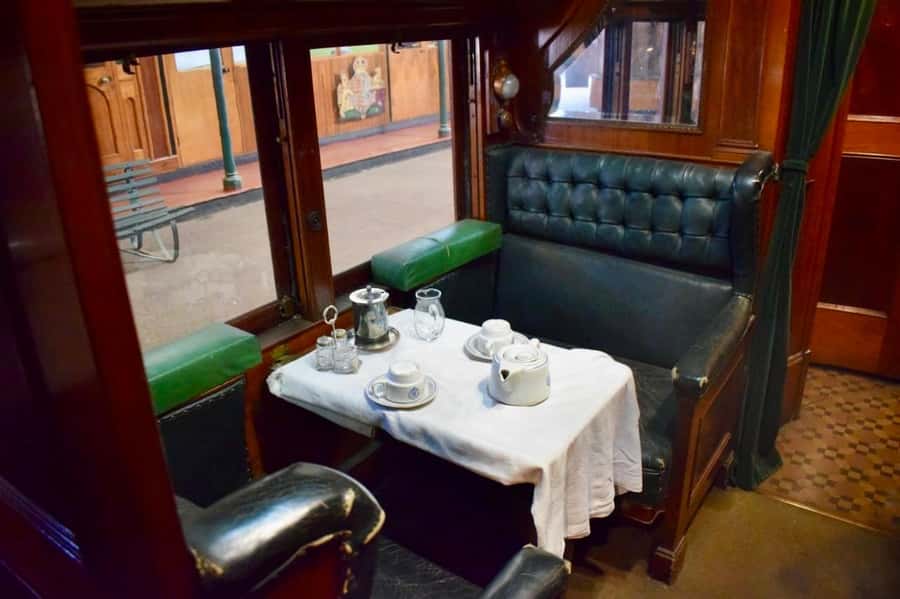
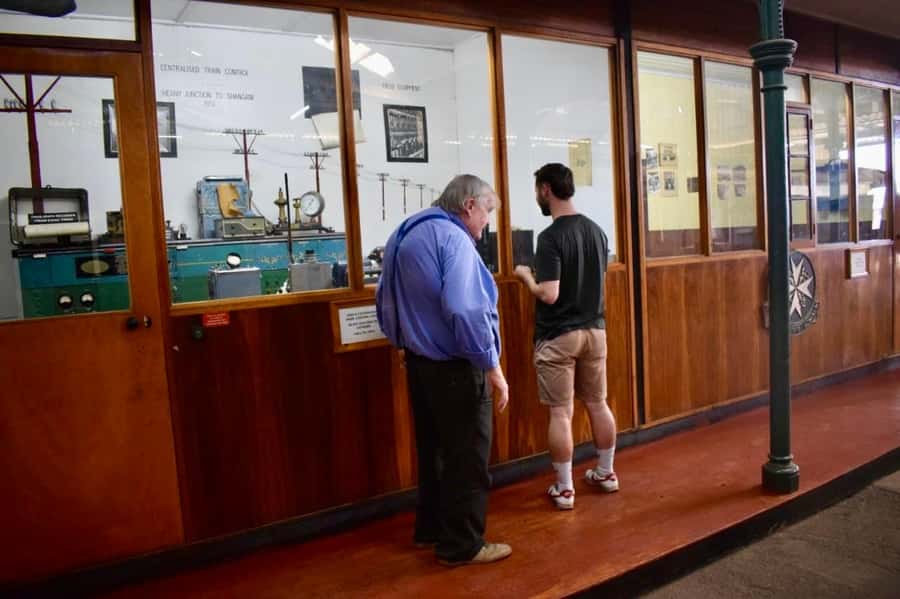
The Railway Museum focuses on the development of Zimbabwe’s railway system. Railways played a major part in the growth of towns, trade, administration, and travel across the country, so this stop adds useful national context to the city tour.
The most unusual object here is Cecil Rhodes’ personal railway coach from 1897. Seeing a private coach from that period makes the story more physical than a simple date in a history book. You can look at the vehicle as an object of transport, but also as a reminder of how sharply travel conditions once differed according to status.
I like this stop because it offers something concrete for visitors who are not museum specialists. Trains and railway cars are easy to understand, and the coach gives the visit a clear focal point.
Allow for the possibility that the museum will appeal more to some people than others. If old transport, engineering, and colonial-era history do not interest you, this may be the quieter section of the tour. The guide’s explanation should help, but the visit remains centered on railway displays.
Walking Bulawayo’s Victorian main street
The city center provides the tour’s most visual section. You will see the post office, Art Gallery, Exchange Building, City Hall, and the Joshua Nkomo statue along the main street.
The buildings reflect the Victorian-era development of Bulawayo. Look up as you walk. Architectural details are easy to miss when you focus only on traffic, shopfronts, or the next stop. A guided walk helps you notice the proportions, facades, and civic purpose of these buildings.
The Art Gallery and City Hall also show how the center served more than one role. This was a place for administration, commerce, culture, and public life. The Exchange Building and post office add to that picture, while the Joshua Nkomo statue brings a major Zimbabwean political figure into the modern city setting.
This part is good for photographers and architecture fans, but it is also useful for first-time visitors trying to get their bearings. The drawback is that the tour does not promise extended interior visits to every building. You should expect to see and discuss several landmarks, not spend a long time inside each one.
Wear shoes that can handle walking on city streets. The tour includes transport, but this is not a ride-only experience.
Same river, a very different pace:
- Helicopter Scenic Flight over Victoria Falls 12-13 minutes Flight
★ 5.0 · 1,391 reviews - Victoria Falls: Dinner Cruise on the Zambezi River
★ 4.9 · 925 reviews - Dinner Cruise on the Zambezi River
★ 5.0 · 518 reviews - Victoria Falls: Chobe National Park Day Trip with Lunch
★ 4.7 · 518 reviews
Makokoba, Bulawayo’s oldest township
Makokoba changes the tone of the tour. Instead of focusing on civic buildings and museum objects, you see an older residential area and hear about the people who live there.
The township is described as Bulawayo’s oldest, and the visit includes the area’s oldest homes. A local guide introduces you to residents, which gives the stop a human scale. Rather than treating Makokoba as a backdrop, the tour presents it as a living part of Bulawayo.
This is one of the most valuable parts of the experience for anyone who wants more than polished city-center sights. You can learn how the city’s past connects with daily life, homes, food, and local community. It also gives you a chance to ask questions about the area directly through the guide.
Approach this visit with respect. You are entering a residential community, not a staged attraction. Listen first, ask before taking photographs, and remember that the people you meet are not exhibits. The tour’s success here depends on the guide’s relationships and on the group’s manners.
The visit may also feel more personal than the museum and architecture stops. That is a benefit, but it means you should be ready for a less predictable experience than a formal attraction with fixed displays.
Local food, snacks, and the arts and crafts center
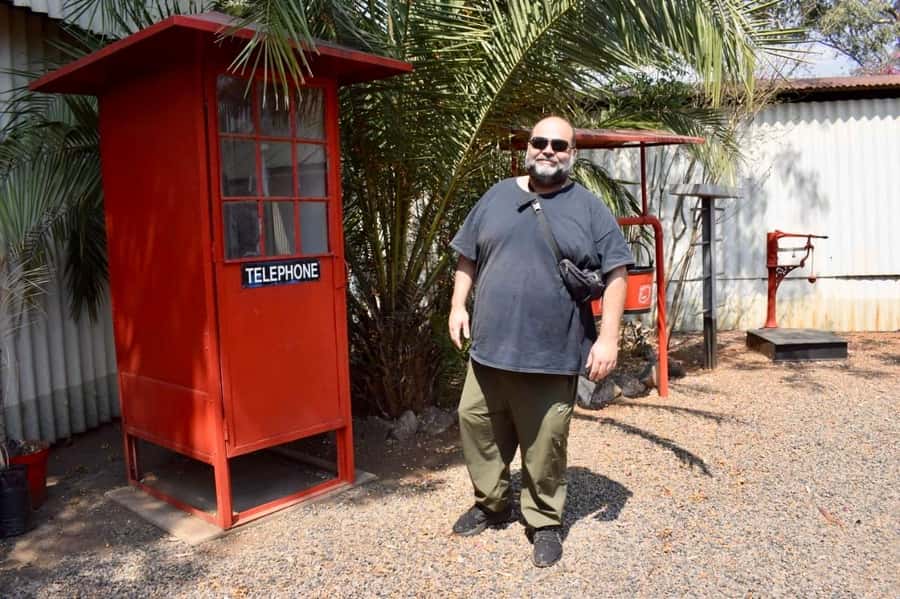
Food adds a welcome everyday note to the tour. You will be introduced to local cuisine at nearby eateries and receive snacks and refreshments as part of the experience.
The supplied information does not specify the dishes or whether a full meal is served, so I would treat this as a tasting or introduction rather than lunch. If you have allergies or dietary restrictions, ask the provider before booking or tell the guide at pickup.
The food stop helps explain Bulawayo through ordinary pleasures. A city is not only its monuments. What people eat, where they buy it, and how food fits into the day can tell you plenty about local life.
The tour also passes through an arts and crafts center, where local artisans are at work. This is more useful than a stop at a shop filled with anonymous souvenirs because you may see the making process and meet people connected to the craft.
Shopping is not included in the $55 price. You will need to pay for personal purchases yourself, so bring a payment method suitable for the local vendors. Do not feel obliged to buy. The point of the stop is also to see local work and understand how craft fits into the city’s economy.
What the timing means for your day
The activity lasts four hours, with the main touring portion listed at about three hours and 45 minutes. Pickup and return are in Bulawayo, making this a practical choice if you have a free half-day.
Starting times vary, so check availability when you book. The provider uses a white safari truck for pickup, which gives you a clear vehicle to look for. Pickup is included, but you should still confirm the exact meeting details before the day begins.
The route combines driving, walking, sightseeing, shopping, local snacks, and visits to cultural sites. That variety keeps the tour from feeling like one long lecture, but it also means you should expect changes of pace.
Bring sunglasses, a hat, sunscreen, and insect repellent. Weather-appropriate clothing is sensible, and comfortable walking shoes are essential. The tour is wheelchair accessible, a useful point for visitors who need an accessible format, though the amount of walking still makes it wise to discuss personal requirements with the provider in advance.
Is $55 per person good value?
For a four-hour guided city tour, $55 per person is fair if you plan to visit several paid or specialized sites. You receive transport, a guide, admissions, refreshments, and a route that includes both major landmarks and a residential township.
The strongest value comes from the mix. A self-guided visit to the Railway Museum might cover one part of the story, while a walk through the center might show you the buildings. This tour adds the Ndebele royal connection, Makokoba, food, and crafts in the same half-day.
The price may feel less attractive if you already have private transport, prefer to explore at your own pace, or want to spend a full morning at one museum. You are paying for convenience and interpretation, not only entrance tickets.
For a first visit to Bulawayo, I think the package makes sense. It gives you enough background to decide which parts of the city deserve a longer return visit.
Who should book the Bulawayo City Guided Tour?
I would recommend this tour to first-time visitors, short-stay visitors, history fans, architecture lovers, and anyone who wants local contact without arranging a complicated day alone.
It also suits visitors who prefer a balanced program. You get royal history, railway heritage, civic architecture, township life, food, and crafts rather than a single theme.
You may want a different plan if you dislike walking, want a slow photography outing, or prefer to avoid visits to residential communities. The four-hour schedule is useful, but it does not allow unlimited time at each stop.
The tour is conducted in English, so you should be comfortable following an English-speaking guide. Free cancellation is available up to 24 hours before departure, and reserve-now, pay-later booking can help if your Zimbabwe plans are still changing.
My verdict: book it for a first look at Bulawayo
I would book the Bulawayo City Guided Tour if I had four free hours and wanted the city explained by someone local. Its best feature is the range: Bulawayo Dolobho, the Railway Museum, Victorian landmarks, Makokoba, food, and crafts all have a place.
Book it especially if you value context and easy transport. Skip it only if you want an unhurried, single-site visit or already know Bulawayo well. For most first-time visitors, $55 buys a practical introduction with enough substance to make the city more than a stopover.
FAQ
How long is the Bulawayo City Guided Tour?
The tour lasts four hours. The main touring section is listed as approximately three hours and 45 minutes.
How much does the tour cost?
The price is $55 per person.
Where does the tour start and finish?
Pickup and drop-off are included in Bulawayo. The exact pickup point and starting time depend on availability when you book.
What vehicle should I look for at pickup?
Look for the provider’s white safari truck.
What language is the tour conducted in?
The live tour guide speaks English.
Is the tour wheelchair accessible?
Yes, the activity is listed as wheelchair accessible.
What is included in the price?
The price includes the guided city tour, Railway Museum visit, Makokoba township exploration, introduction to local cuisine, arts and crafts center visit, entry fees, pickup, drop-off, snacks, and refreshments.
Are personal purchases included?
No. Personal shopping expenses are not included.
What should I bring?
Bring sunglasses, a hat, sunscreen, and insect repellent. Comfortable walking shoes and weather-appropriate clothing are also recommended.
Can I cancel the booking?
Yes. You can cancel up to 24 hours in advance for a full refund. Reserve-now, pay-later booking is also available.
Newly listed in Zimbabwe
- Zimbabwe & Zambia side :Private Guided tour of the Falls★ 5.0 · 2 reviews
- Zimbabwe: Victoria Falls Full-Day Package★ 5.0 · 2 reviews
- Zambezi River: Kid-Friendly Whitewater Rafting★ 5.0 · 3 reviews
- Zimbabwe: Sundowner Cruise (Standard) Zambezi River★ 4.8 · 5 reviews
- Zambezi 3hr Game Drive★ 4.6 · 5 reviews
- Zambia : Victoria Falls : Nature Bike Tour★ 5.0 · 2 reviews
- Zambezi River: Dinner Cruise★ 5.0 · 2 reviews
- Zambezi National Park Private Wildlife Safari (4 – 10 hours)★ 4.9 · 9 reviews